English-Speaking Hospitals in Shanghai: The 3 Options (and the Cheapest Good One)
Living in Shanghai and need to see a doctor without speaking Mandarin? You have three real options — and most foreigners default to the most expensive one without knowing the third exists. Here's the honest map, with real hospitals and real prices.
Your three options, honestly
| Option | English? | Price | Best for |
|---|---|---|---|
| 1. International clinics Jiahui Health, Parkway Health / Gleneagles, United Family (和睦家) | Full English, Western-style | Western-level — a scan or consult can run several thousand RMB | Those who want an all-English clinic and will pay for it, or have premium insurance |
| 2. Public hospital, alone Huashan, Ruijin, Zhongshan, Shanghai First People's | Chinese only | Government prices — MRI ~RMB 430 ($61), registration a few RMB | Fluent Mandarin speakers |
| 3. Public hospital + bilingual companion | English support beside you | Public prices + a $79–189 companion fee | Most foreigners — top-tier care, government prices, no language wall |
The gap people miss: Shanghai's public hospitals are not the poor cousin of the international clinics — Huashan, Ruijin and Zhongshan are among the best hospitals in the country, running case volumes Western centres never see. The international clinics are more comfortable and speak English; they are not more expert. What you're really paying the clinic for is the language and the sofa.
Shanghai's top public hospitals
- Huashan Hospital (华山医院) — a national leader in neurology and dermatology, among others.
- Ruijin Hospital (瑞金医院) — renowned across endocrinology, hematology and more; a national referral centre.
- Zhongshan Hospital (中山医院) — a top general and cardiology hospital.
- Fudan University Shanghai Cancer Center — the national gold standard for pathology and oncology.
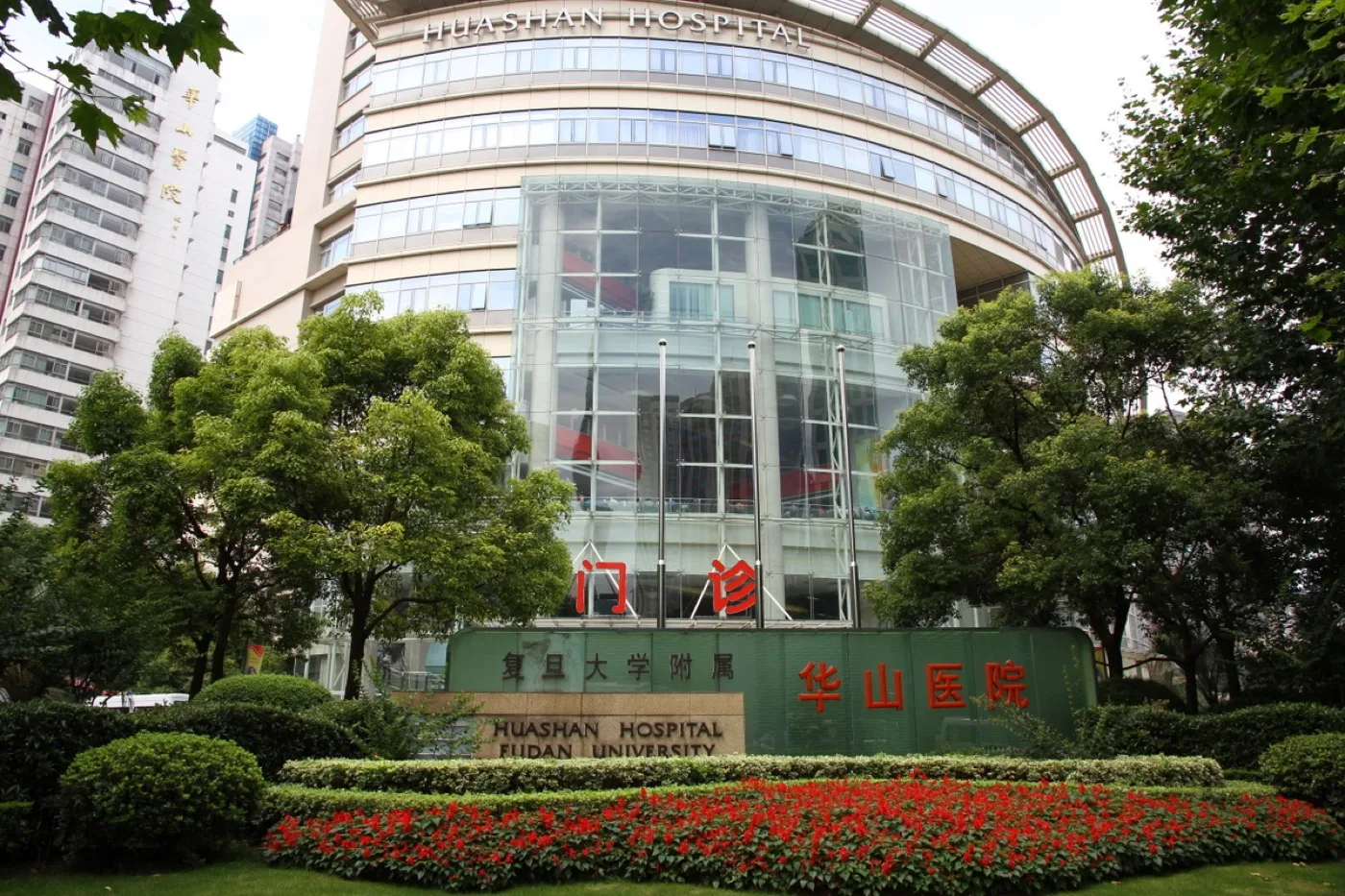
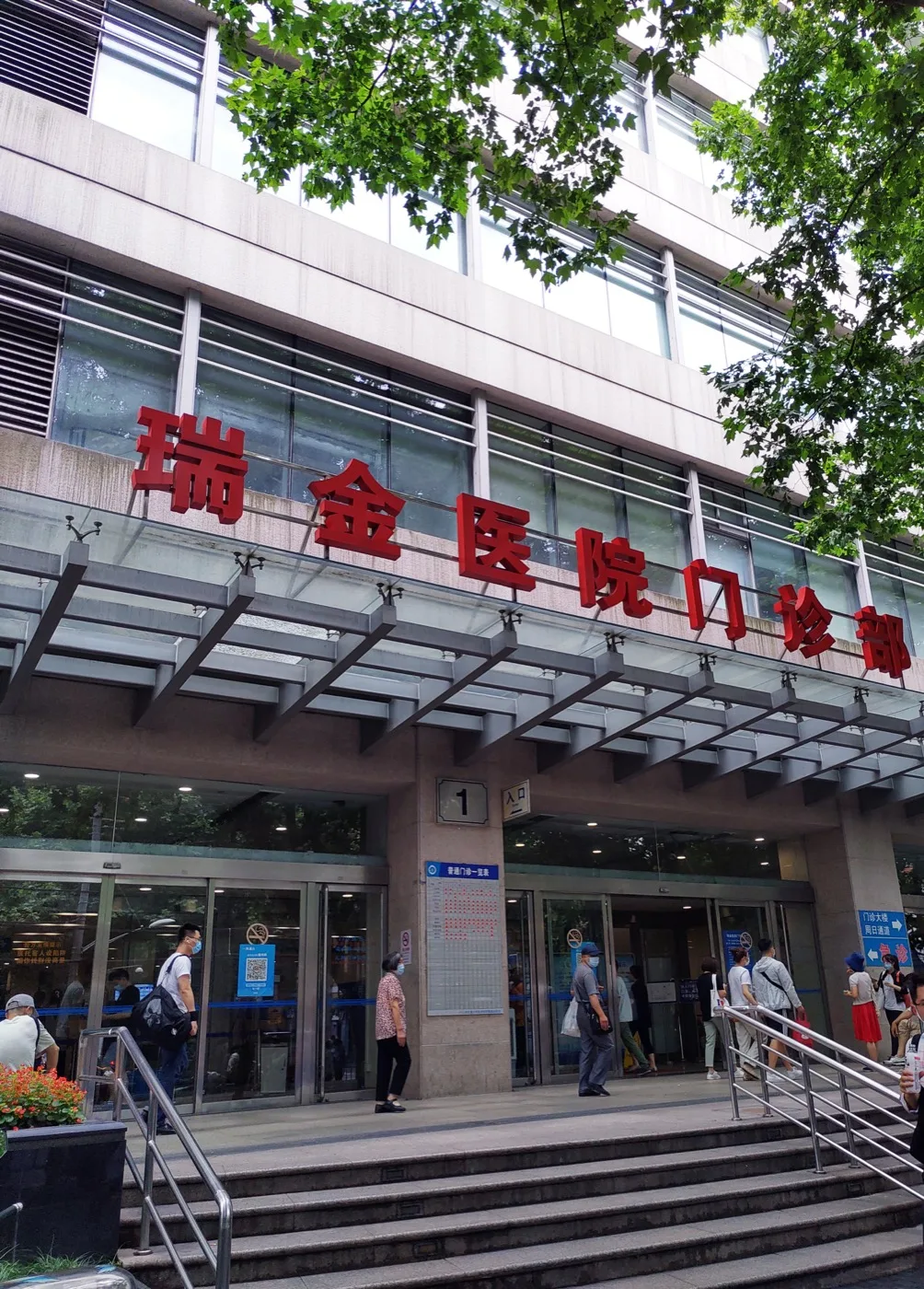
All of them treat self-pay foreigners at the same government-scheduled prices locals pay — see exactly what those are in the China Medical Price Index. Your only real obstacle is the system: registration (guàhào) and pay-before-each-step, all in Chinese.
The smart middle: a public hospital with a bilingual companion
This is the option most foreigners in Shanghai don't realise they have. A bilingual hospital companion meets you at a top public hospital, registers you, translates your consultation both ways, runs the payments, and hands you an English report pack afterward. You get Huashan-level care at Huashan prices — with English support beside you — for a companion fee of $79–189, not a several-thousand-RMB international-clinic bill.
For a routine scan, checkup, endoscopy or specialist consult, that's the rational choice: same expertise, a fraction of the total.
What things actually cost in Shanghai
| Need | Public hospital (self-pay) | Note |
|---|---|---|
| MRI, per region | ~RMB 430 ($61) | 3.0T billed same as 1.5T since 2025 |
| Full-body checkup | $400–800 | Imaging + labs in one day |
| Sedated gastro + colonoscopy | RMB 2,000–3,500 ($280–500) | Confirm on the day |
| Bilingual companion | $79–189 | Founder pricing for early customers |
All prices sourced and dated in our price index; hospital bills are paid by you directly, at these prices, with no markup from us.
Frequently asked questions
Where can I find an English-speaking doctor in Shanghai?
Three routes: international clinics (Jiahui Health, Parkway Health, United Family) have English-speaking staff at Western-level prices; top public hospitals (Huashan, Ruijin, Zhongshan) deliver world-class care at government prices but operate in Chinese; or use a public hospital with a bilingual companion and get both the low price and English support.
How much does it cost to see a doctor in Shanghai as a foreigner?
At a public hospital, registration is a few to a few dozen RMB and an MRI is about RMB 430 ($61); at an international clinic the same scan can be several thousand RMB. A bilingual companion is $79–189 and lets you use the public price.
Do Shanghai public hospitals treat foreigners?
Yes. Self-pay foreigners are welcome with a passport and pay the same government-scheduled prices as locals. The real barrier is language and the registration/payment system — which a bilingual companion handles.
This page is information, not medical advice. Hospital names and specialties are given for orientation; choose your hospital and doctor with professional guidance.